Finding an aquatic livestock supplier online has never been easier, but finding a reliable, long-term trade partner is a different challenge entirely. For aquarium store owners, regional distributors, and licensed importers, sourcing live ornamental fish across borders involves significant financial commitment and operational risk.
A single delayed shipment, poorly handled health certificate, or improperly packed consignment can result in high Dead-on-Arrival (DOA) rates, lost retail turnover, and severe biosecurity risks in your quarantine facility.
If you are looking to source freshwater fish, marine livestock, or corals from international origins like Southeast Asia, here is a practical guide on how to choose a reputable fish supplier online and protect your business bottom line.
6 Key Criteria for Vetting an International Fish Supplier Online
1. Export Documentation and Regulatory Compliance

A reputable live fish exporter understands that live cargo moves only as smoothly as its paperwork. Before discussing species availability, confirm the supplier's familiarity with your home country's import regulations.
Essential documentation includes:
Health Certificates / Phytosanitary Clearance: Certified by the exporter's national quarantine or fisheries authority.
Certificate of Origin (COO): Crucial for tariff clearance and legal verification.
CITES Permits: Legally required when importing regulated marine species or wild/cultured hard corals (Scleractinia). A legitimate supplier will never offer to ship CITES-listed species under generic commercial descriptions.
Ask the supplier for an anonymized sample invoice and health certificate from a recent shipment to your region. An established exporter will provide these promptly.
2. Pre-Shipment Conditioning and Quarantine Protocols
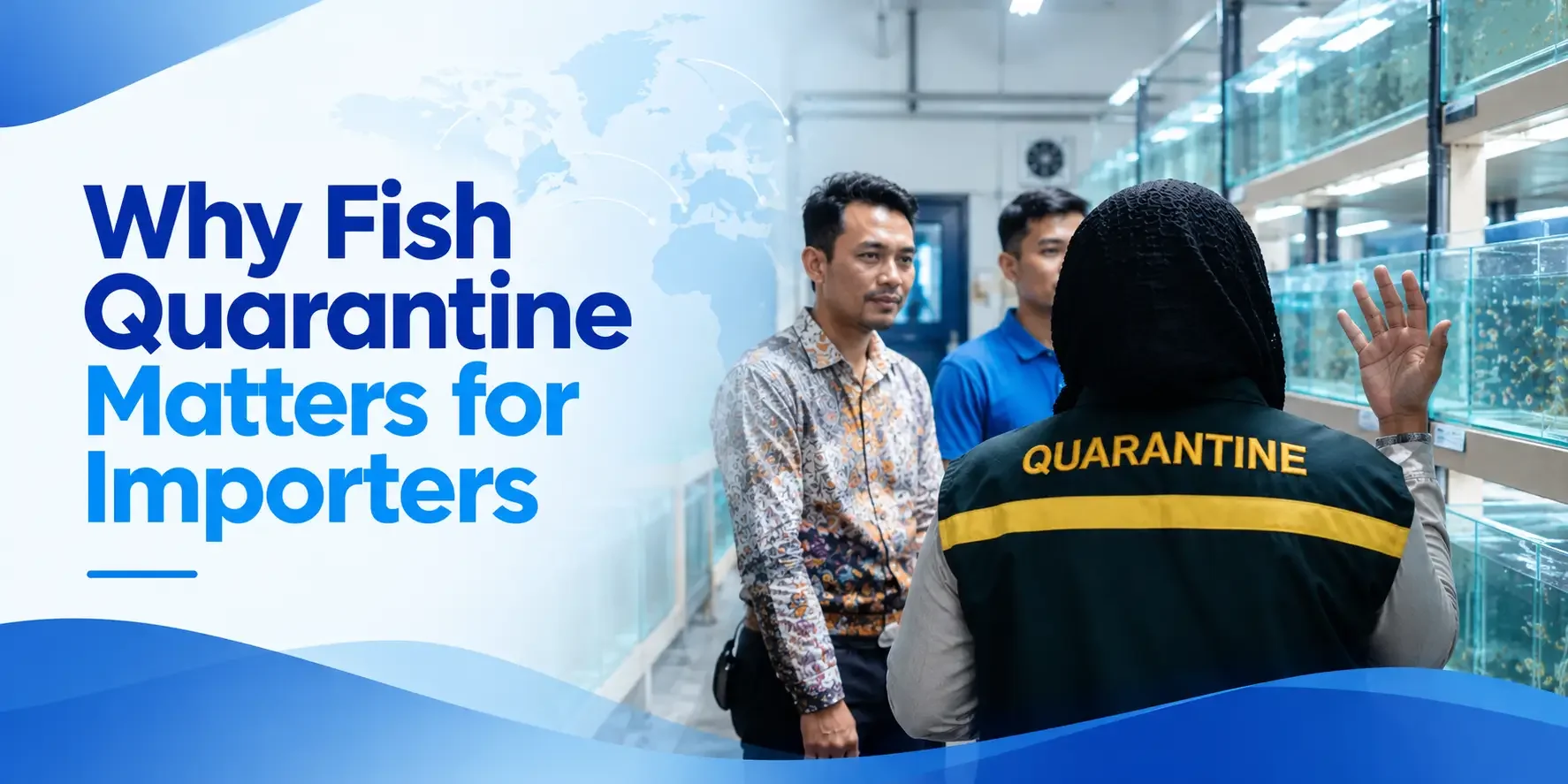
Live fish produce metabolic waste. If shipped immediately after feeding, fish will excrete ammonia into their transit bags, causing gill burn, acidosis, and high landing mortality.
A professional supplier follows strict pre-export protocols:
Fasting Period: Fasting livestock for 24 to 48 hours prior to packing (depending on species size and metabolic rate) to clear digestive tracts.
Preventive Prophylaxis: Inspecting stock for external parasites, fin erosion, and behavioral lethargy before boxing.
Gradual Conditioning: Acclimating wild-collected or farm-raised fish to clean export holding systems before crating.
Inquire directly: "What is your fasting schedule before boxing, and how long are specimens held in your facility before international flight departure?"
3. Packaging Standards and Oxygen Density
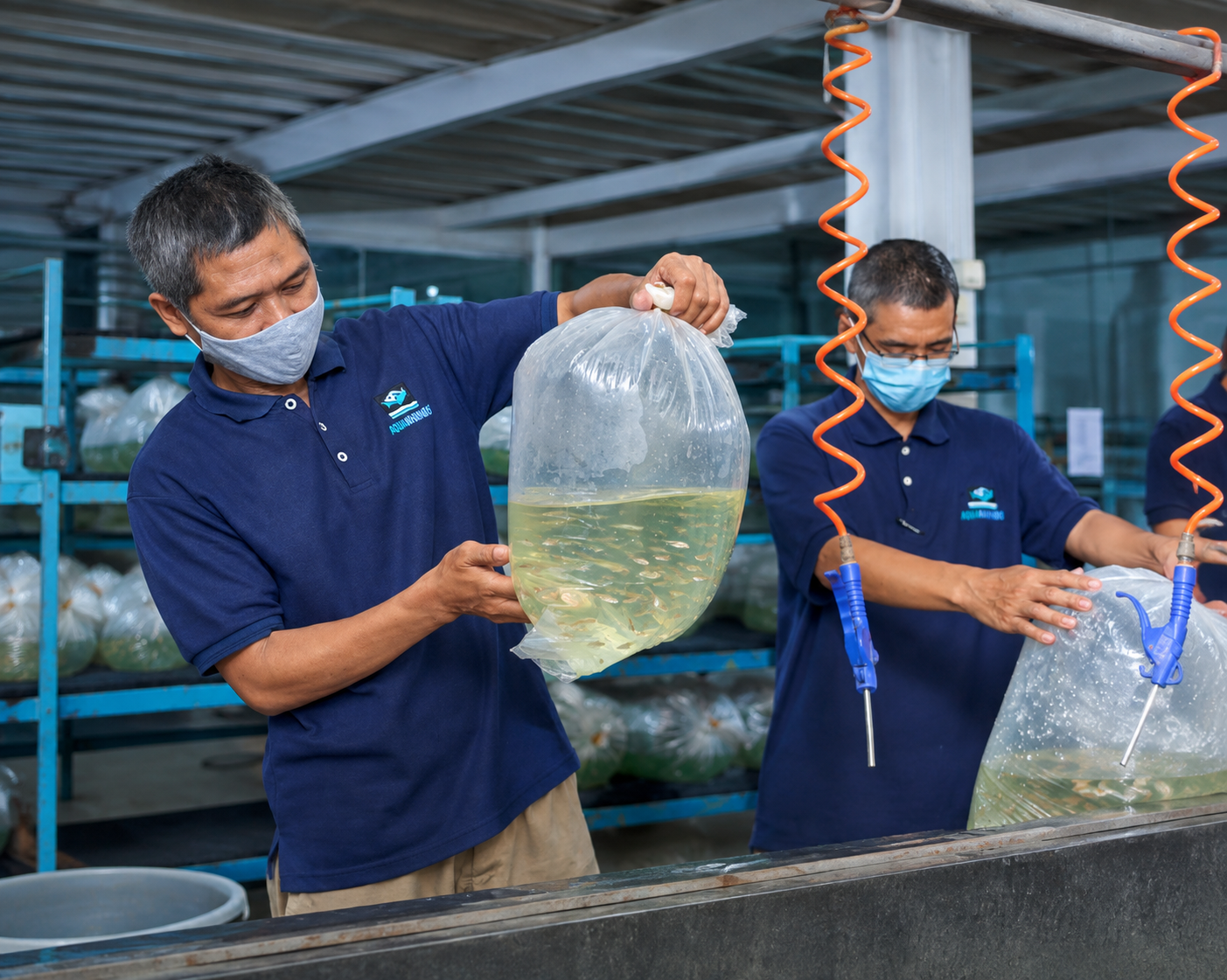
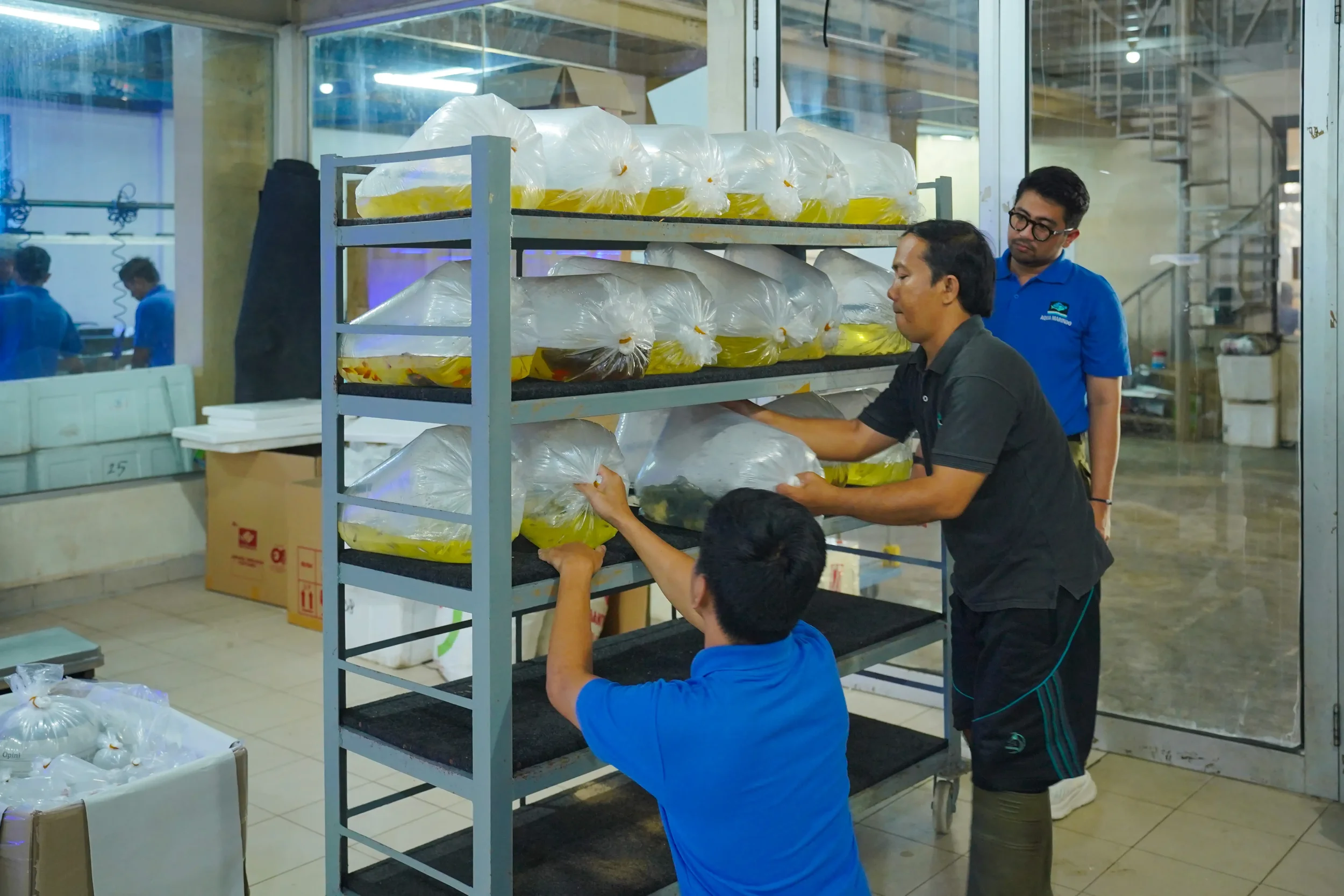
When livestock spends 24 hours or more inside an air cargo hold, packing quality determines survival rates. Reliable suppliers utilize:
High-Grade Insulated Styrofoam Boxes: Thick-walled styrofoam fitted inside rigid double-corrugated master cartons to maintain stable water temperatures.
Pure Oxygen Packing: Water-to-oxygen ratios tailored specifically to species density (typically 1/3 water to 2/3 pure medical-grade oxygen).
Thermal Regulation: Re-usable heat packs or cold packs adjusted according to flight route transits and season at the destination airport.
Reinforced Bags: Multi-layered polyethylene bags to prevent puncture from spiny species like catfish (Loricariidae), tangs (Acanthuridae), or large cichlids.
4. Clear and Enforceable Dead-on-Arrival (DOA) Policies
Every legitimate exporter acknowledges that live transit carries variables outside human control, such as airline cargo delays. A reputable supplier maintains a transparent, written DOA policy rather than vague promises.
A standard commercial DOA agreement should clearly state:
What time window is required for filing claims (typically 2 to 4 hours post-customs clearance).
Required evidence (clear photo/video documentation of the deceased livestock in unopened original export bags).
Settlement mechanics (credit applied toward the subsequent order or replacement stock).
Beware of suppliers who claim "0% DOA guarantee under all circumstances." In commercial logistics, this is unrealistic. Look instead for suppliers who outline exactly how unforeseen losses are handled commercially.
5. Transparent Species Identification and Scientific Accuracy
Misidentification of livestock can disrupt retail margins and cause customs delays. A professional supplier uses accepted binomial scientific nomenclature alongside common trade names.
Review their stock list:
Are species categorized accurately by scientific name (e.g., Paracheirodon innesi rather than simply "Neon Tetra")?
Are sizes clearly delineated (e.g., Small, Medium, Large, or centimeter ranges)?
Do they clearly differentiate between captive-bred, aquacultured, and wild-harvested specimens?
Suppliers who maintain orderly, technically accurate stock lists generally exhibit the same precision in their packing stations and quarantine systems.
6. Responsive Logistics and Airway Bill (AWB) Coordination
International air freight requires close coordination between the exporter, freight forwarders, airlines, and your local clearing agent.
A reputable supplier demonstrates reliable communication habits:
Confirming airline booking numbers and flight connections well ahead of cargo drop-off.
Providing the pre-alert notice and scanned Airway Bill (AWB) immediately after drop-off at the departure airport.
Proactive updates regarding flight delays or routing changes.
If an online supplier takes several days to reply to basic commercial inquiries, they are unlikely to manage real-time airline communication effectively when a shipment is in transit.
Partner with a Reliable Indonesian Exporter: Aqua Marindo
If you are expanding your commercial supply chain, Aqua Marindo is a registered Indonesian wholesale exporter of premium freshwater livestock, marine fish, invertebrates, and sustainably sourced corals.
We work directly with international wholesalers, aquarium retailers, and commercial distributors worldwide, emphasizing:
Strict pre-export quarantine and digestive tract conditioning.
Standardized oxygen packing and climate-controlled master boxing designed for long-haul routes.
Fully compliant veterinary health certificates, CITES documentation, and prompt AWB coordination.
Direct, professional communication at every stage of the export process.
Looking for a reliable ornamental fish supplier from Indonesia?
Contact Aqua Marindo to request our current wholesale livestock lists, export terms, and freight schedules.